20 Best Ways For Deciding On Anti-Termite Control Services In Jakarta
Wiki Article
Jakarta Homes: Subterranean Termite Defense
Walk through any Jakarta neighborhood--Menteng, Kebayoran Baru, Kelapa Gading--and you will see them: door frames swollen at the base, fine brown lines climbing foundation walls, tiny pinprick holes in skirting boards. Many homeowners believe that it's wear and tear. It's not. It's an indication of a subterranean, termite-infested colony which has infiltrated the building. It feeds 24 hours, 7days a week due to Jakarta's constant humidity and advanced construction methods. To safeguard a Jakarta property it is imperative to abandon the pest control strategies that are taught in manuals from abroad and adopt strategies that are adapted for the particular species of soil, climate, and species of Jakarta.
1. The frame of the door and window are a major cause of infection
Jakarta termites aren't able to explode through concrete slabs. They enter when masonry meets wood at a height that is human. Around half of all documented termite attacks occur in windowsills, door jambs and wooden frames that are embedded within brick walls. The wrong battle is being waged by anti-termite service providers who show up at your home with injection rods and drills that are pointed at the floor slab. The real fight is at waist-level, where the moisture accumulates on glass and then is absorbed by untreated wooden.
2. Four Species, One City, Different Rules
Jakarta has at least 4 distinct subterranean Termite species. The different species of termites differ in their behavior. Coptotermes gestroi, the agressive structural invader, is the dominant species. Microtermes insperatus, though the dominant species numerically, is less destructive. Macrotermes gilvus builds visible mounds in gardens. Coptotermes curvignathus prefers living trees but can be found in houses when wood is not readily available. They cannot be selected by exterminators, who are unable to distinguish between them.
3. The Six-Week Truth
The elimination of colonies is not a legitimate process that happens over night. Chlorfluazuron baits take up to six weeks to circulate through the colony by trophallaxis, the mouth-to-mouth sharing of food that is the hallmark of termite societies. Pest control companies who sell poisons to contact promises a 24 hour eradication. However, they only kill foragers at the surface, while the reproductive centre remains underground.
4. Above-Ground Stations Are Changing Everything
Perimeter bait stations are useful to monitor, but are not effective against an infestation that is already active within the structure. Above-ground bait stations are small cartridges of bait directly bonded to dirt tubes - inject toxic substances into the colony's active road. Jakarta exterminators that sell inspection with no above-ground treatment aren't operating above ground stations.
5. The Soil Moisture Trap
The silty clay soils in Jakarta store water. Termites actively prefer conditions that have soil moisture above 22 percent. Anti-termite companies that spray chemicals without first checking drainage, downspout discharge and irrigation overspray are applying toxic chemicals to an environment which termites love to call home.
6. Pine Stake Forensics
Before recommending treatment for the pest, exterminators recommend that untreated Pinusmerkusii stakes be buried in the area around. After 30 days, exterminators excavate these stakes, and weigh them. The loss of weight by more than 30% confirms a excessive foraging stress and is a reason to consider an intervention. It is not just a guess; this is an accurate, easily accessible the entomology.
7. Green Belt Hazard
Nine Jakarta sub-districts carry extreme termite risk: Penjaringan, Pademangan, Palmerah, Kebayoran Baru, Jagakarsa, Pesanggrahan, Kramatjati, Duren Sawit, and Cipayung. These areas share one characteristic--significant remaining green space that sustains parent colonies. In these areas homes, they must be inspected quarterly and continually baited. Annual contracts aren't enough.
8. The new construction is not Safe
Termites adapt to urbanization. Termites nest in the fill dirt brought in for new housing developments, forage through utility trenches, and colonize irrigated landscapes installed by developers. It is crucial to remember that a newly constructed house located in BSD or Bekasi was not constructed with a clean slate. Instead, it was transformed into a breeding ground for termites from the time the first plants were planted.
9. The Short-Rotation Teak isn't your Grandfather's Teak
The termites are deterred by silica and oils in the traditional Javanese teak tree. Modern teak that is harvested from plantations at 15 years is not. The majority of "teak", installed in Jakarta's modern homes, is chemically immature however botanically similar. Termites love the wood that homeowners pay high prices for.
10. The Mud Tube Forensics Rule
Do not scratch the mud tube without first looking at what it shows. The tube's origin point is the zone of soil entry. The diameter of the tube is correlated with the age of the colony. The position of the tube (bathrooms and kitchens, or exterior walls) determines which source of moisture is sustaining the infestation. It is equivalent to deleting security footage before watching it, if you take out the tube without understanding the directions.
It is an ending.
Jakarta homes are not being attacked by an intruder. The homes are in use and are adapted by residents to the conditions in this city. The species has been identified. The attack patterns have been identified. The timelines of treatment are determined. Only one variable remains: whether homeowners, and the services for antitermite they hire, will abandon myths about pest control and implement methods that have been that have been validated by Jakarta's underground termites. The evidence is there. It is up to you whether or not you use it. Have a look at the top jasa basmi rayap for blog tips including pembasmi rayap kayu, rayap kayu, kayu yg tidak dimakan rayap, kayu tahan rayap, lemari anti rayap, kitchen set anti rayap, pengendalian hama, anti rayap terbaik, kitchen set anti rayap, basmi rayap and more.
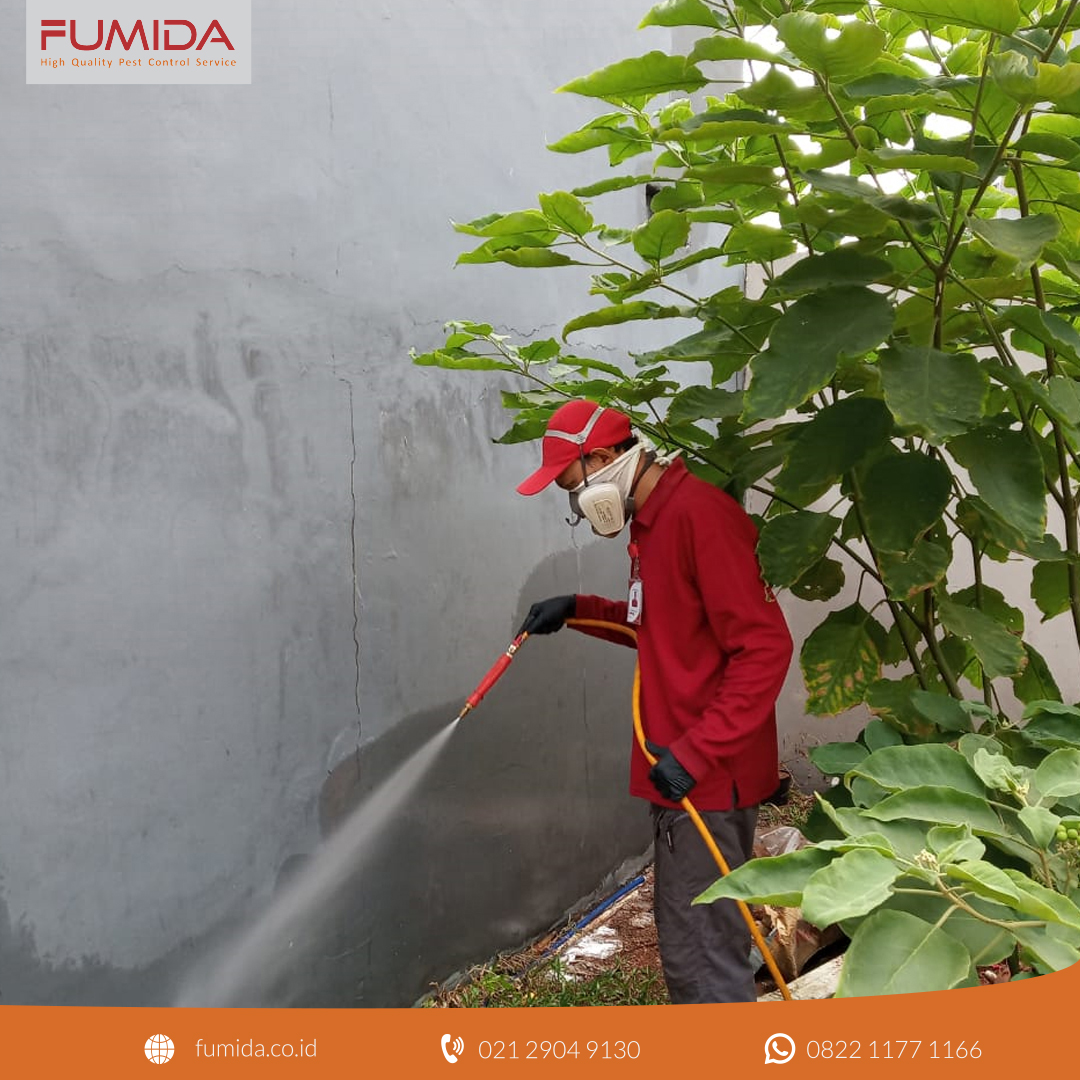
Tropical Climate, Constant Threats To Termites In Jakarta Indonesia
Pest control firms from temperate nations supply training and equipment as well as chemical formulations to Jakarta, only to discover that they don't work in the manner they claim after 18 months. The products themselves are not bad. It is due to the fact that tropical urban climates undermine the assumptions embedded in those products. The termites of Jakarta don't have a winter-time foraging pause because Jakarta has no winter. Termiticides that are applied to soils hydrolyze at rates that have not been observed in Ohio or Osaka because Jakarta's soils stay humid and warm throughout the year. Menteng is an extremely humid zone and a humidity level over 80 percent can affect the taste of bait. If termite control services treat Jakarta like a tropical version which is more temperate, they will get suboptimal outcomes. Jakarta is not like any place elsewhere. It has its own operational environment.
1. Zero Foraging Downtime, 365 Days
If the temperature of the soil drops to less than 15 degrees Celsius the species of temperate termites stop foraging. Jakarta's annual and diurnal temperature variation remains entirely within the active foraging range of Coptotermes gestroi and Microtermes insperatus. There is no window for treatments during the season. There isn't a suitable month to make renovations. Three hundred sixty-five pressures daily must be applied to the colony elimination protocol.
2. Humidity exceeds cuticle tolerance
Termite cuticles desiccate below seventy percent relative humidity. The relative humidity in Jakarta during dry season ranges from 75 to 80%. The humidity during the wet season is more than 90%. Termites are not content with these conditions; they must forage continuously because their water balance requires regular watering. Constant threat isn't hyperbole.
3. Chemical Half-Life Contracts based on Months
Temperature and moisture both accelerate hydrolysis. A soil termiticide that retains six months of effectiveness in Hiroshima is able to last for approximately three to four months in Jakarta. Barrier treatments using liquids that come with 12 months of warranty are concentrating their applications too much and misrepresenting their lifespan or charging for reapplications.
4. Silty Clay serves as a Colony Infrastructure
Jakarta's dominant urban soil type, compacted silty-clay, retains moisture to a level which attracts ants living in subterranean soils. If the water content of soil exceeds twenty-two per cent, termites preferentially infest the area. Pesticides who don't test soil moisture prior to applying chemicals are merely treating symptoms, but leaving habitat conditions intact.
5. The most preferred wood species are construction Defaults
Pine mangium, light red Meranti are among the most popular wood species that can be enjoyed by Coptotermes curvignathus. They are also the most sought-after joiner and framing timbers found on Jakarta's housing market for middle-class families. The timbers of merbau and teak don't feed termites but are two-to-three times more expensive. The Jakarta construction industry has chosen wood species that attract termites.
6. Fungus-Growers Dominate, Coptotermes Destroys
Jakarta's termite assemblage is numerically dominated by Microtermes insperatus and Macrotermes gilvus--Termitidae-family fungus-growers that require soil contact and organic debris. Coptotermes gilvus is less frequent but can cause disproportionate structural damage. The commercialization of anti-termite products that only focus on Coptotermes misrepresents the actual species composition in Jakarta to those who live in homes that see diverse insects in their yard.
7. Green Space Functions as Colony Reservoirs
Jakarta's urban forest patches, groves of cemeteries, and neglected railroad corridors are home to parent colonies, which send out foraging tunnels in nearby residential areas. The nine Hazard class one sub-districts share a common characteristic which is that they contain a substantial amount of forest. These zones aren't susceptible to protection by property-line treatments. To stop the colony's spread across the entire neighborhood, multiple properties must be targeted.
8. Construction Activity Manufactures a Habitat
Jakarta's urbanization isn't able to eliminate termite habitats, but it does create a new habitat. Fill soils imported from abroad along with irrigated landscapes as well as built-up debris buried in the ground create the ideal conditions for colony development. A newly constructed residential estate in BSD is not completely free of termites. It was a termite breeding ground that was established the day the trees were planted.
9. Imported Timber Ignores Quarantine
Tanjung Priok in Jakarta is a port for containerized trade that brings invasive termite species into the city. Jakarta is also a source of infested wood products and pallets that are sent to the temperate port. This bidirectional flow allows for continual genetic exchange, thus preventing colony isolation. The monthly arrival of container ships in Jakarta can increase the pressure on termites.
10. Climate migration expands source populations
Termite species that live in lowland habitats may flourish as global temperatures rise. The parent colonies that were set up in higher elevations during warmer seasons are able to be able to endure mild winters and expand their foraging area downslope. Jakarta isn't being attacked only by local colonies. Jakarta is not only being attacked by local colonies but also by a larger population of people who are moving out of warmer refugia.
Conclusion
A tropical climate, perpetual threat of termites - this phrase does not represent marketing rhetoric. It's a technical specification. Jakarta anti-termite companies have to calibrate the rates of chemical application to ensure accelerated degradation, place bait stations for consumption all year round, and measure the soil's moisture prior to each treatment, and distinguish structurally destructive Coptotermes from fungi that are numerically dominant cultivators. The market does not reward those who complain about difficult circumstances. It rewards those who adapt protocols to changing conditions and report outcomes. Jakarta's climate does not excuse the inability to treat. It is this variable that distinguishes generalist exterminators who use imported protocols from specialists who have created Jakarta specific methods. Homeowners are able to discern between these types of companies. Homeowners can tell the difference by their willingness or inability to renew their contracts with the latter. See the top rated anti rayap jakarta for site tips including bahan lemari anti rayap, jasa pembasmi rayap, cara membasmi rayap, jasa anti rayap, harga anti rayap, rayap rumah, jasa pengendalian hama, cara basmi rayap, jasa anti rayap jakarta, pembasmi hama and more.
